Contemporary Art & Financial Communication

Independent contemporary art dealer

Contemporary art, judged with a financier’s eye.

I help private collectors buy and sell contemporary art with the evidence in front of them: exhibition records, sales histories, condition and an honest view of the risks. I also write client communication and Consumer Duty documentation for FCA-authorised advice firms.

Book a conversationRead the research
Featured work

Early Twenties

Freddie Peacock

Precise, cinematic figurative painting. Peacock’s signature single eye turns every portrait into a question about who is looking at whom.

Quiet, controlled and quietly unsettling: a painting that rewards a second and a third look.

Oil on canvas. Size and details on request.

Details on request

Enquire about this work →
Freddie Peacock, Early Twenties

Featured work

Alice, on Glass

Opake

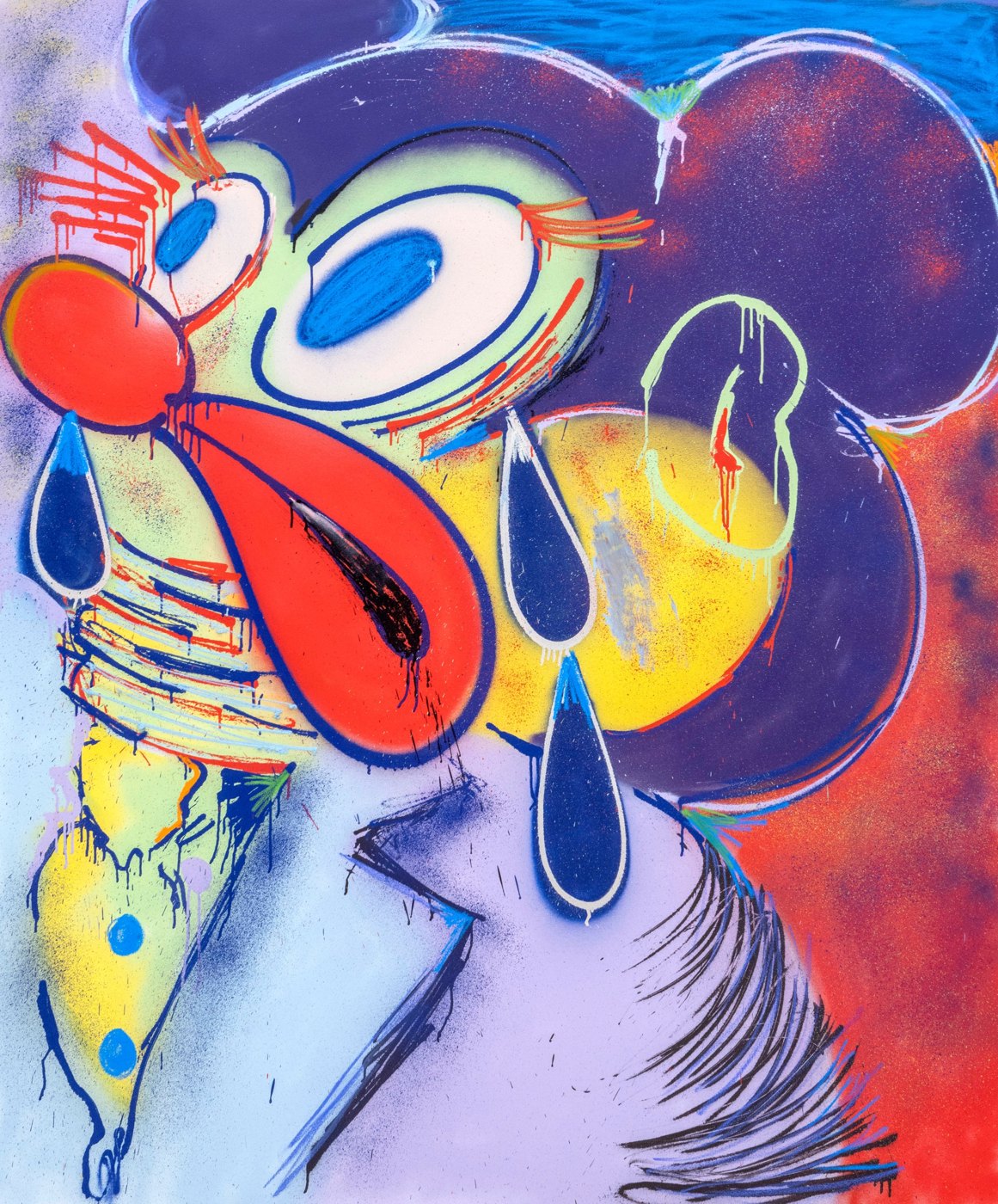
Opake takes familiar cartoon language apart and puts it back together with a painter’s control of line and colour.

Painted on glass, the work catches the light differently through the day.

Mixed media on glass, framed. Details on request.

Details on request

Enquire about this work →
Opake, Alice, on Glass
30+years collecting contemporary art with my own money
185in-depth research papers on artists and their markets
150Market Insight articles for collectors
3countries where my private clients live
Available now

Selected works

View all available works

Slawn, Untitled (Tears)
SlawnUntitled (Tears)Enquire about this work
Rich Simmons, Peace Not War Blonde
Rich SimmonsPeace Not War BlondeEnquire about this work
Freddie Peacock, Early Twenties
Freddie PeacockEarly TwentiesEnquire about this work
A collector outside a gallery window at dusk
The other door

I came to the art market through the other door.

Most dealers arrive from a gallery or an auction house. I arrived from the law and the trading floor.

I trained in legal cost assessment in Edinburgh and the City of London, where the job was to test every figure and every claim. I went on to trade my own account in equities and derivatives, where I learned how fast a price can run ahead of its value. Through all of it, for more than thirty years, I have bought contemporary art for my own walls.

That combination shapes how I look at a painting. I ask what it is worth, who says so, and what happens if they are wrong.

More about me
What I do

Two services, one discipline.

Contemporary art

For private collectors and living artists

Buying. I find and assess works for your collection, from emerging painters to established names, and tell you plainly what I think a fair price is.

Selling. I advise on whether to sell, when, and through which route, gallery, auction or private sale, with every cost set out in advance.

Artists. I work with a small number of living artists on how to build a market that lasts.

Explore contemporary art

Financial communication

For FCA-authorised advice firms

Client-facing content. Guides, market commentary, LinkedIn articles, service pages and lead magnets, written in plain English that clients read and compliance teams can sign off.

Consumer Duty documentation. Fair Value Assessments, Target Market Assessments, Outcomes Monitoring Frameworks, Vulnerable Customer Policies and Annual Board Reports.

Every document is written with the precision of someone trained to read each figure twice.

Explore financial communication
How I assess an artist

Five questions I ask before I recommend any work.

A record price set on one evening is not a market. Across 185 research papers, the same lesson keeps returning: prices hold best where museums and serious galleries arrived before the speculators. So these are the questions I ask first.

  1. Who has committed to the artist?

    Museum exhibitions and permanent collections count for more than headlines.

  2. Who represents them, and how?

    A good gallery places work carefully and protects its artists from quick resales.

  3. What does the auction record really say?

    I look past the record to the depth of sales, repeat sales, buyer’s premium and the currency the price was set in.

  4. What is the condition and the paper trail?

    Provenance, exhibition history, invoices and condition reports decide what a work is worth when you come to sell.

  5. Is it a good work by this artist?

    Not every work by a celebrated name is a strong one. Date, scale and quality matter as much as the signature.

How I assess an artist

The research library

The research is published, so you can check it.

Every artist I discuss has been researched in depth, and the work is on this site for anyone to read. Research Papers run to around 8,000 words each and follow an artist from first exhibition to latest auction result. Where sources disagree on a date or a price, I say so rather than smoothing it over.

Market Insight articles are shorter and more practical: how to read a condition report, how to spot speculation in a young artist’s market, what to do with inherited art, and close studies of individual artists.

Read the Research PapersRead Market Insight

Why independent

Why work with an independent dealer?

No stock to clear

My recommendations start with your collection, not my inventory.

Research before enthusiasm

Every work comes with written reasoning: exhibition records, sales history where it exists and an honest account of the risks.

Thirty years on the buyer’s side

I have collected for more than three decades. I know what galleries and salerooms leave out of the brochure.

Open about money

I am not tied to any gallery, auction house or fund. If anyone else pays me in connection with a work, I tell you.

“
If I think a work is overpriced, I will tell you, even when I stand to earn nothing from saying so.

Al Miller

Al Miller FCSAl Miller FCS

Thinking of buying, or ready to sell?

Tell me what you own, what you are looking for or what you are unsure about. A first conversation is confidential and commits you to nothing.

Book a conversation